Discussing Casino Scenes Through the Language of Care
A casino film discussion can help students examine how stories frame care, distinguish visible evidence from interpretation, and keep fiction apart from clinical guidance.

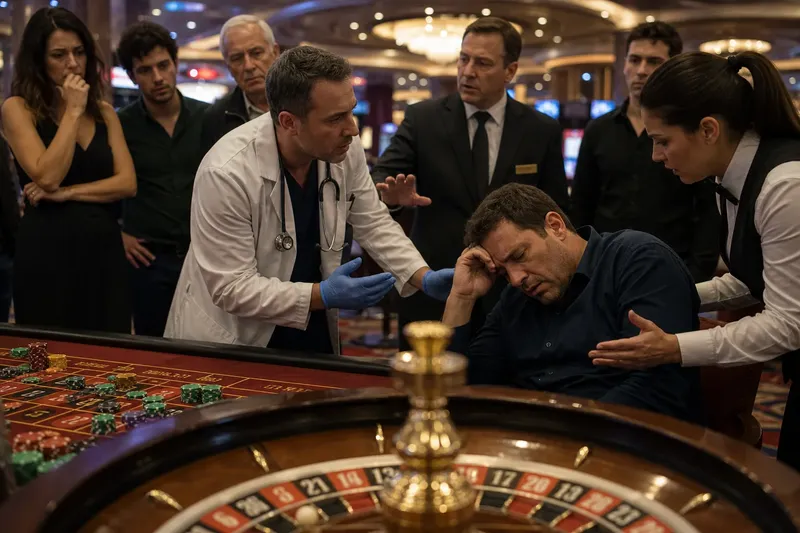
A group pauses a casino film after a character asks for water, and one student wonders whether the scene presents the request as important. A focused discussion of casino scenes can examine how stories portray care without treating a fictional moment as clinical evidence.
A casino film discussion begins with what the scene shows
Start by separating the scene’s observable details from interpretations. A request, a reply, a gesture, a change of setting or a cut to another character can be described directly; a character’s motive or medical condition cannot be established from those details alone.
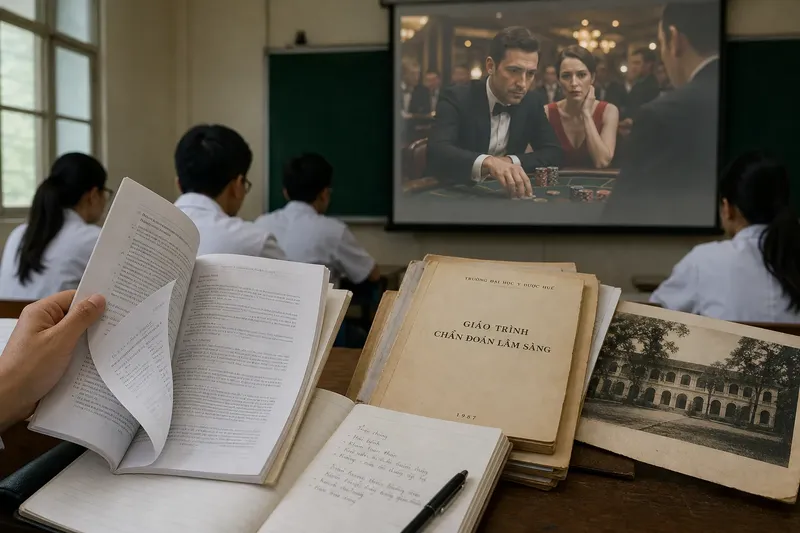
This distinction suits a possible teaching activity for students at Trường Đại học Y Dược - ĐH Huế, rather than a claim about a particular course or classroom practice there. The subject is representation: how a story gives care, need and response meaning, and where the scene leaves uncertainty.
It is not worth the effort to assign a hidden meaning to every card, chip or background movement. Leave aside details that do not affect the scene’s portrayal of care or the point under discussion.
Consider how casino rules shape the portrayal of care
A casino setting can place a request beside the routines of a game: a dealer may need to keep track of play, a player may speak while others are occupied, or a character may have a role that limits what the scene lets them do. These are possible narrative choices to examine, not evidence about how a real casino or care setting operates.
Ask which duties the story makes visible and which it leaves out. A scene might show a character responding to a request while continuing a game, for example, but that alone does not tell viewers what options were available or what would be appropriate in a real emergency.
Track who is given responsibility and a voice
Rather than analysing camera angles, soundtrack or editing, consider how the story assigns responsibility through dialogue and character roles. Who asks for help, who answers, who is expected to act, and whose account is taken seriously? The answers can reveal how the scene frames care, while leaving the characters’ private motives unresolved.
Language matters here. A character called only by a job title may be presented differently from one whose name and circumstances are made clear. Notice the distinction without assuming that a brief label tells the audience everything about the person.
Check the evidence before settling on an interpretation
For each claim, identify the detail that supports it and decide what the detail permits the group to say. Use the following checks to keep discussion specific:
- Check whether a response is stated: If the character answers the request in dialogue, describe that answer; if no answer is shown, say the response is unknown rather than claiming help was refused.
- Check whether an action is completed: If the scene shows water being brought, note that action; if it shows only a request, do not say the character received water.
- Check who asks for help: If the person in need speaks, discuss how the story gives them a voice; if another character speaks for them, note that the scene presents an intermediary and leave the reason open.
- Check how responsibility is assigned: If dialogue names someone as responsible for acting, discuss that assignment; if no one is named, avoid claiming the scene establishes a duty.
- Check whether the setting’s rules are explained: If the scene states a rule, discuss how it affects the characters; if it does not, treat the rule as unknown rather than importing assumptions.
- Check what the story leaves unresolved: If the next event is not shown, name the gap; if the outcome is shown, describe only the outcome presented.
Say a group considers an invented scene with three starting details: a player asks for water, the dealer continues the game, and a companion repeats the request. The group writes down those three actions, then checks the scene and finds no reply and no water being brought. Its supported reading is that the story shows a repeated appeal alongside continuing play; whether anyone eventually helps, why the dealer continues, and how the player feels remain unanswered.
What can a casino scene tell viewers about care?
Can a character’s silence establish consent?
No. Silence can be described as an absence of spoken response in that moment, but the scene may not explain why the character is quiet. Keep any interpretation tied to what happens before or after, and leave the motive open if the story does not make it clear.
Can a fictional request establish a medical need?
A request can show what a character asks for, not establish a diagnosis or the right clinical response. Discuss how the story presents the request, and take real health questions to a qualified clinician.
What if viewers disagree about what happened?
Return to the words and actions the scene actually presents, and distinguish clear details from uncertain ones. If the film does not settle a point, record the disagreement without turning either interpretation into fact.
Keep storytelling separate from clinical judgement
A discussion can examine who is heard, who is expected to act and what the story omits. Those questions concern the portrayal of care; they do not establish a diagnosis, a standard of care or the right response to a real situation.
For a real health or safety question, consult a qualified clinician or appropriate teaching staff and follow guidance for the relevant setting. The useful boundary in a casino film discussion is clear: describe what the story presents, interpret its choices cautiously, and leave clinical decisions to qualified professionals.